Origami
Origami is the Japanese art of paper folding, where decorative shapes, figures, and complex 3D sculptures are formed. Brought by Buddhist monks from China, it was introduced in Japan around the 6th or 7th century. Initially, it was an art reserved for the elite members of society and for religious ceremonies, prior to it becoming a very popular, common pastime during the Edo period (1603–1867). Over the centuries, Origami has evolved from an exclusive, sacred, ceremonial practice into an art form utilised globally, and a foundation for technology and modern engineering.
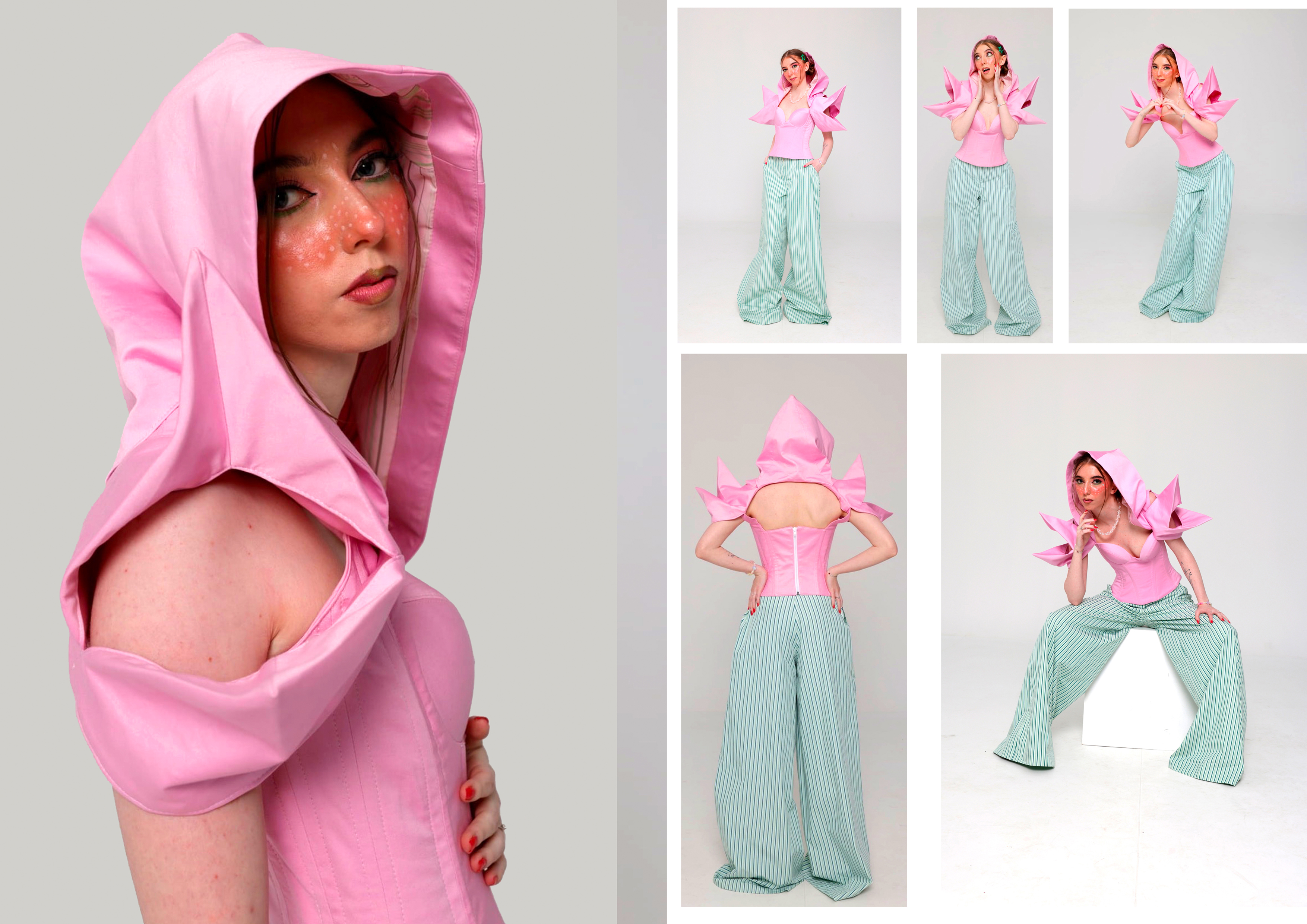
In order to create high-quality Origami, a combination of technical precision, understanding of materials, and artistic shaping are required. It moves well beyond simply following diagrams. It is the mastering of the manipulation of paper. The characteristics of high-quality pieces are identified by sharp, clean creases, which strive for perfect symmetry. The maintenance of simplicity is upheld throughout the process, doing away with unintended extra folds. Through this adherence to form, Origami maximizes the endeavour and elegance of folding.
Having visited Japan twice, I have learned many things about its customs, culture and traditions. On one of the trips, I became fascinated with Origami and had a strong feeling that this might be utilized to influence garment designs. I particularly remember visiting Yokohama, a prefecture 1 hour southwest of Tokyo, where I was incredibly fortunate to witness the annual lantern festival. The shapes and vivid colours of the paper lanterns, especially, really caught my attention. In addition, while visiting some Japanese temples, I saw many Japanese ladies wearing traditional kimonos. One item on the traditional dress that I thought was interesting was the large bow or knot on the back, referred to as an Obi-musubi. These originated in the 17th century. The sash wraps around the waist, and the decorative knot is tied at the back for securing the kimono. The most common, in a boxy style, is called Otaiko. There are, apparently, many ways to tie an Obi, and these frequently represent flowers or birds, with more elaborate bows being used for formal occasions such as weddings or coming of age ceremonies. In contrast simpler ones are used in daily wear.
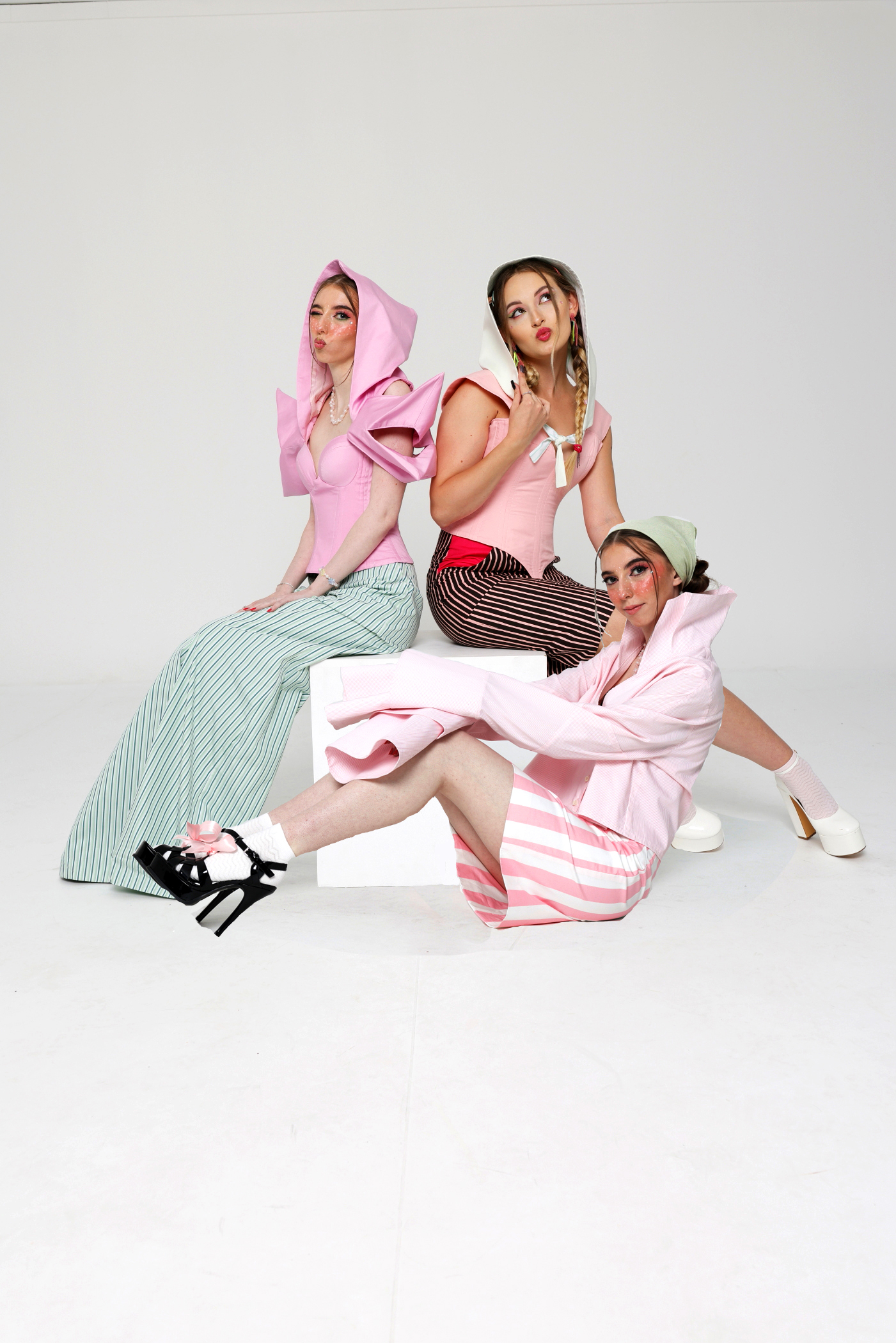
In today’s world, I felt that designing garments which have a striking, highly structured composition, would provide a stunning contrast with our often hectic and messy everyday environments. I believed I have achieved this.
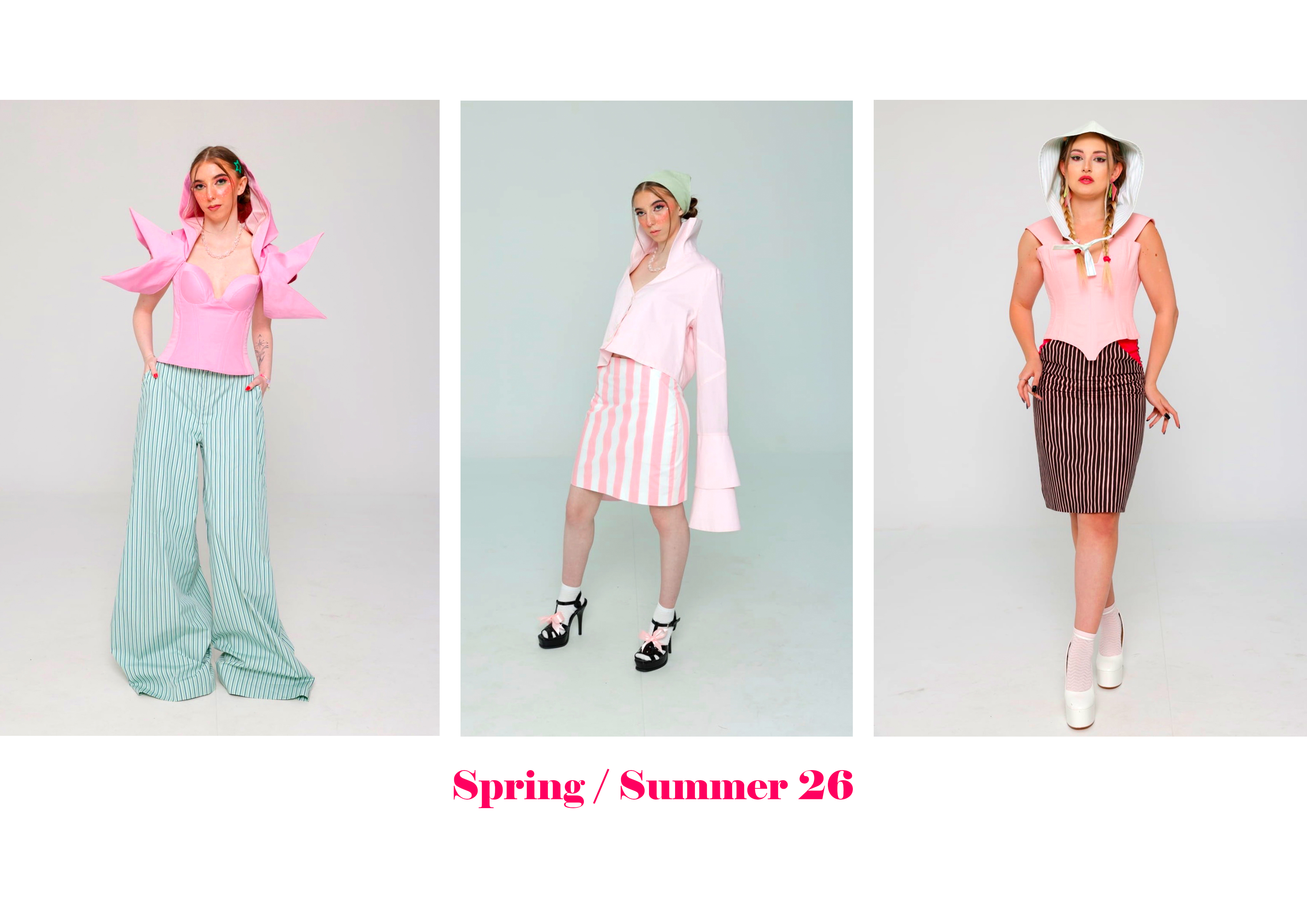
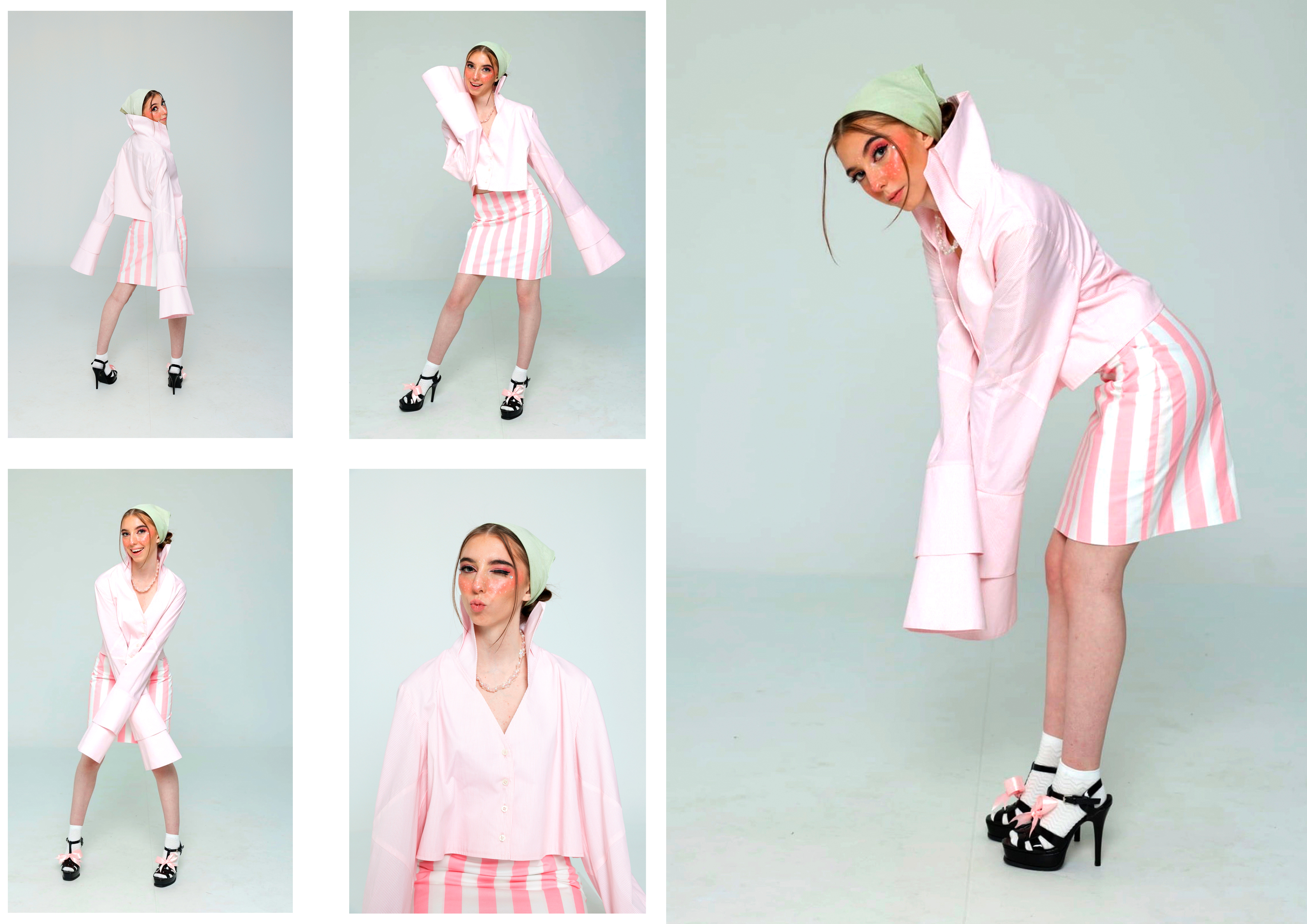
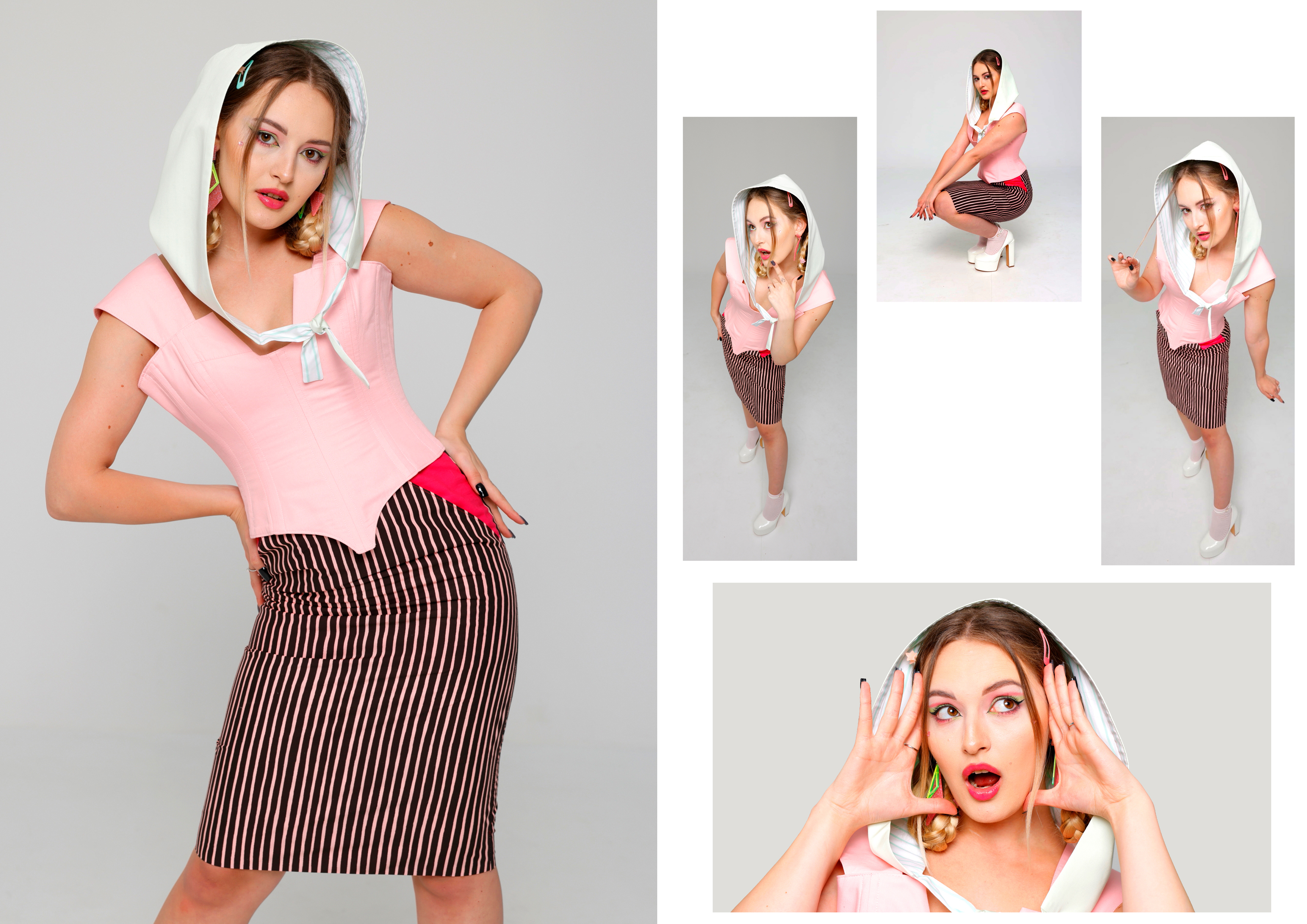
The key colours I have used in my collection are mainly pastel tones such as pinks and greens. The colour pink, in Japanese culture represents youth, spring time and good health. Green, on the other hand, symbolises nature, serenity and vitality. These colours are commonly seen in Japanese society. I was influenced by the bold structures, shapes and forms used by Comme des Garcons.
The concept, which I am aiming to project, is one of Avant Garde, which can be Ready-to-wear. This idea, which includes playfulness, but also adherence to strict Japanese outlines, is portrayed in all the garments in my collection.
 BA (Hons) Fashion Design
  Sepandminoo Fazeli | Fashion & Textiles